
These articles appear in The Hyde Park Herald monthly. Slowly, I’m posting expanded versions on the Hyde Park Historical Society website. I’m focusing on things people can go and look at, while building a new and detailed picture of the community. Eventually, I’m hoping to create a map and walking tour.
Rosalie Villas, Part I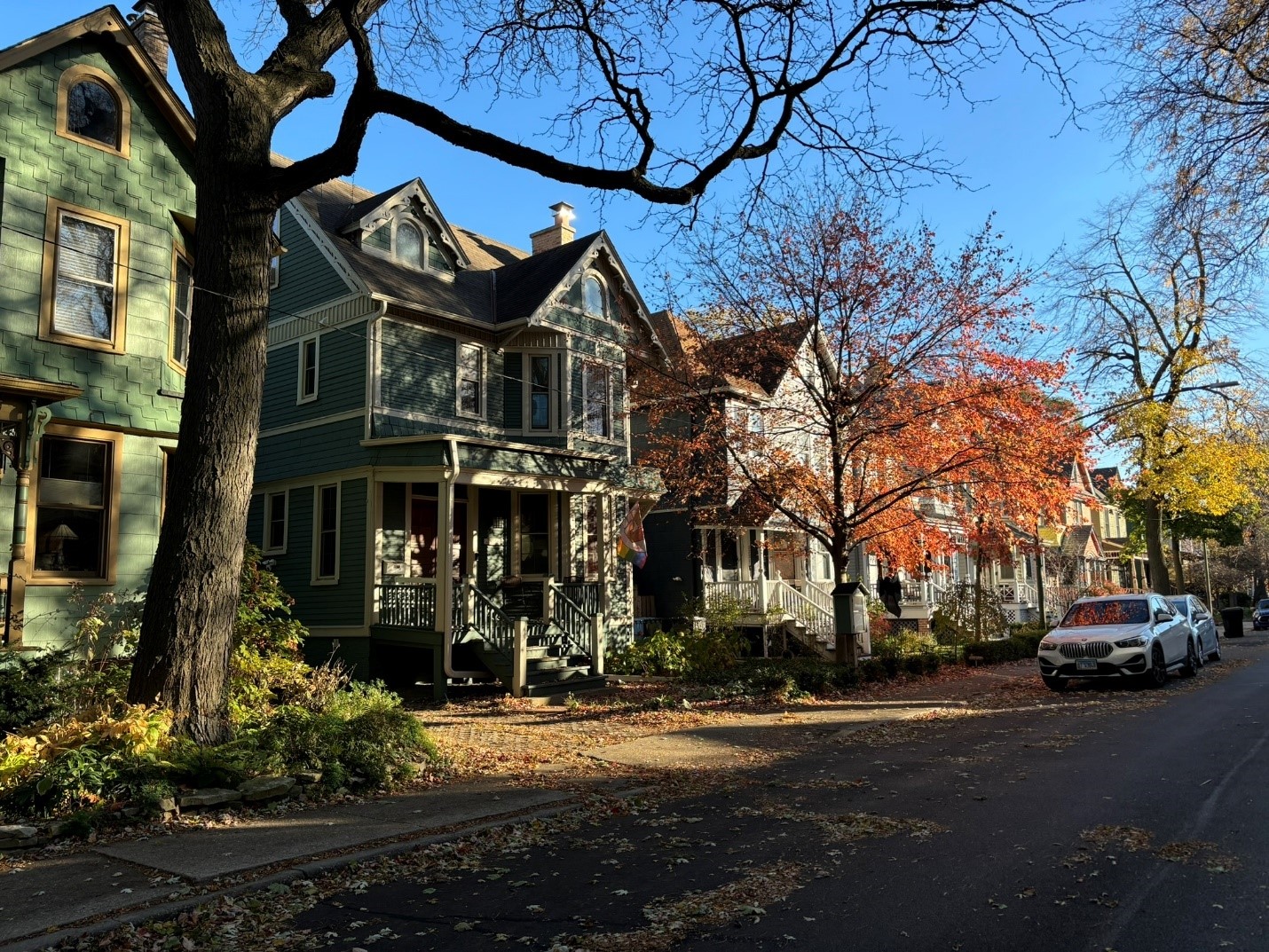 | In 1883, Rosalie Buckingham, a wealthy woman in her twenties, had a vision of a planned development in the open prairies of Hyde Park. |
Lorado Taft and the Fountain of Time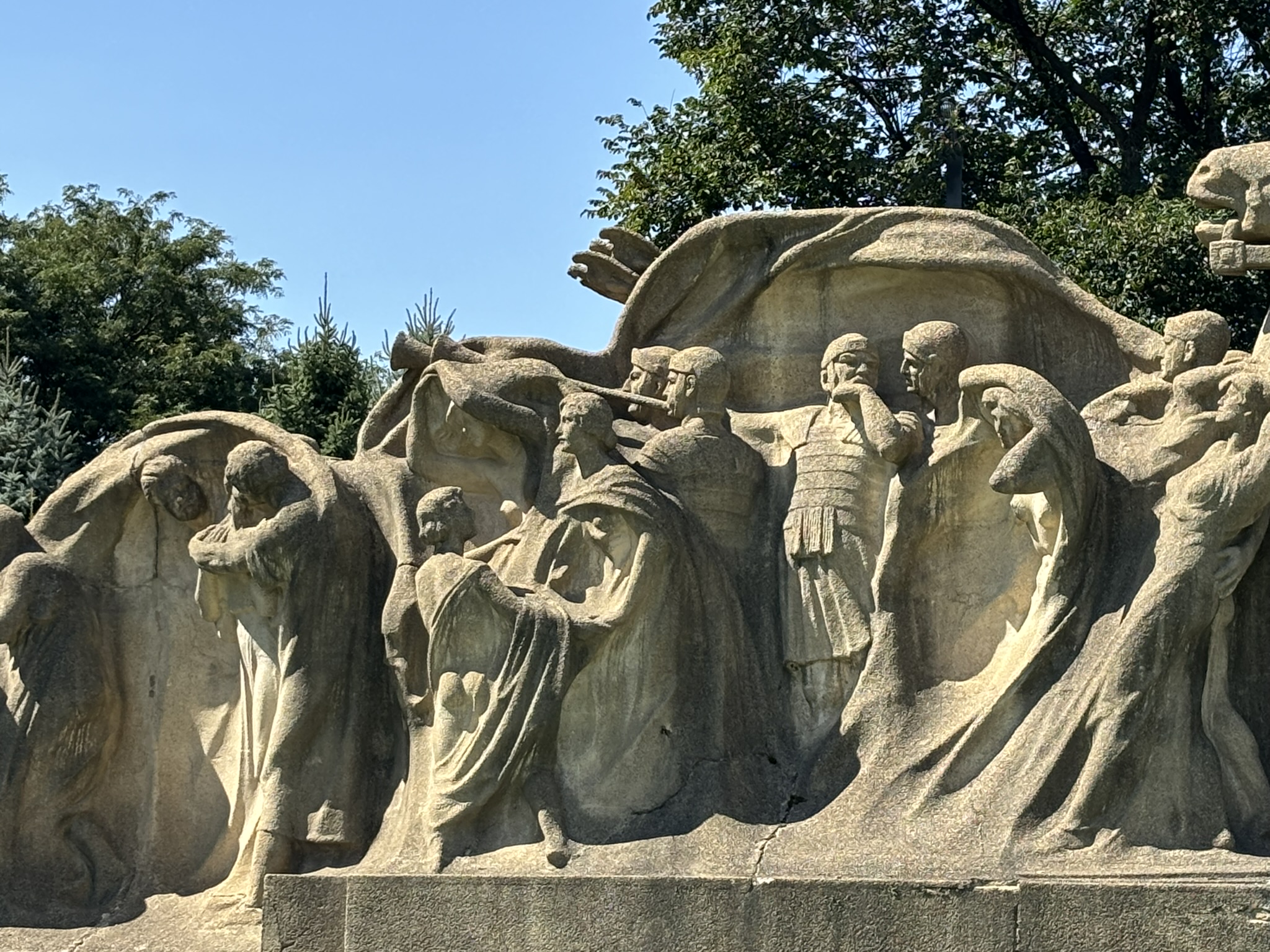 | Though the art world may not pay much attention to Lorado Taft now, his legacy lives in Hyde Park through his enormous Fountain of Time that dominates the west end of the Midway Plaisance. |
Lorado Taft, Part I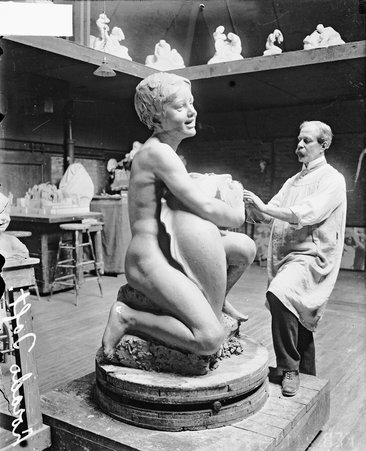 | It’s hard to overstate how famous Lorado Taft was in Chicago in the first decades of the 20th century, or his impact on Hyde Park, first at the 1893 World’s Fair, then as the center of gravity of an art colony on 60th Street, and as a savior of the building that houses the Museum of Science and Industry. |
William Walker and the Mural Movement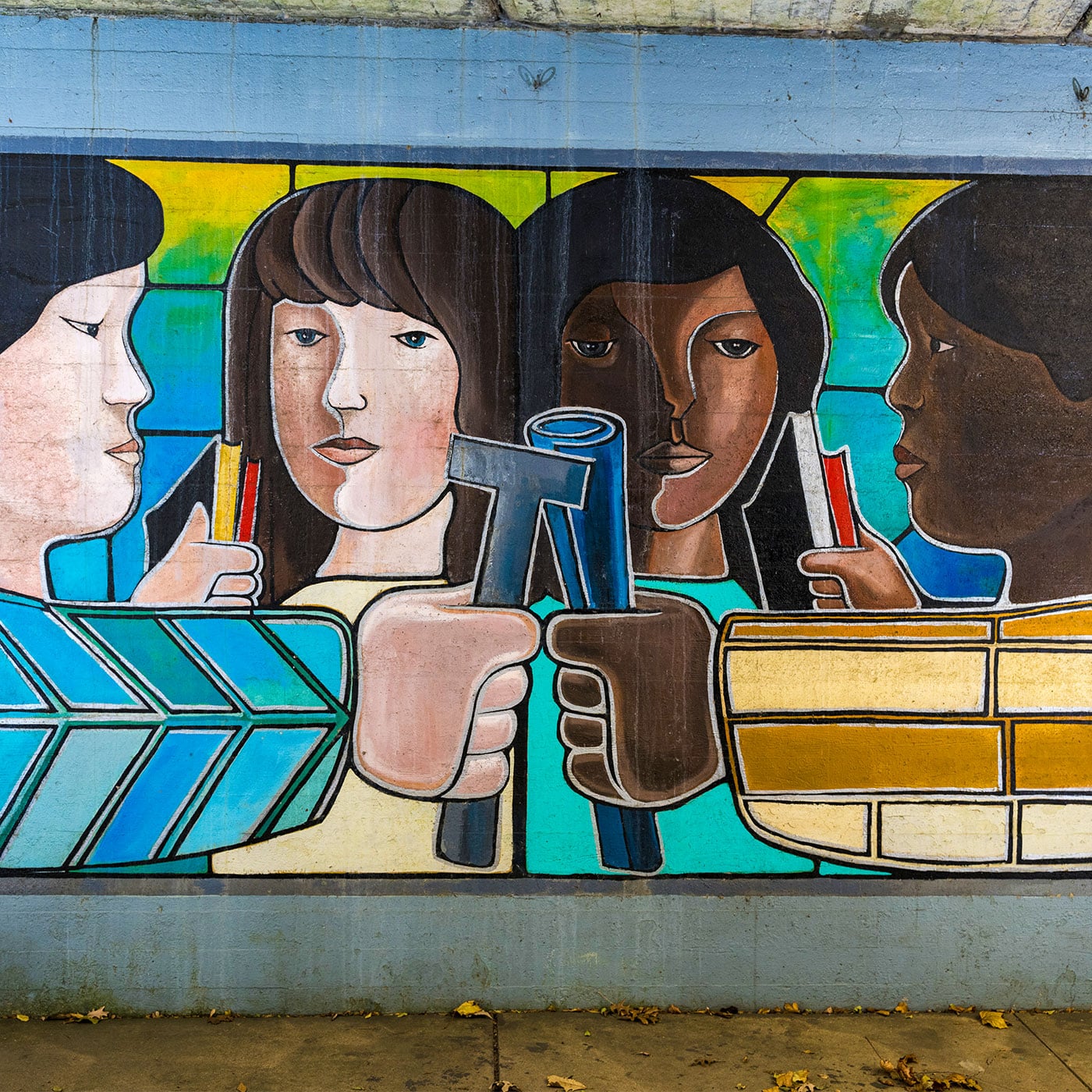 | Hyde Park is famous for its murals under the railroad viaducts. They are the result of a public art movement launched by William Walker. Walker himself created “Childhood Is Without Prejudice” which still survives on 56th Street. Some of the murals did not shy away from difficult topics. |
Olympics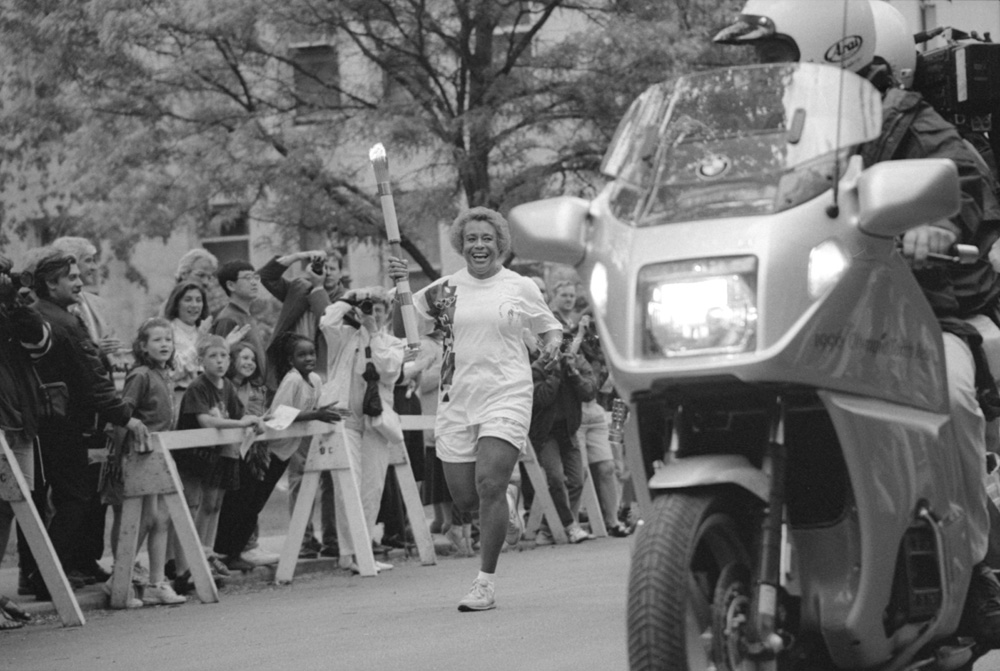 | Since the 1890s and the birth of the Olympics movement, Hyde Park and the University of Chicago has had a long illustrious history with the Olympics. |
Confederate Mound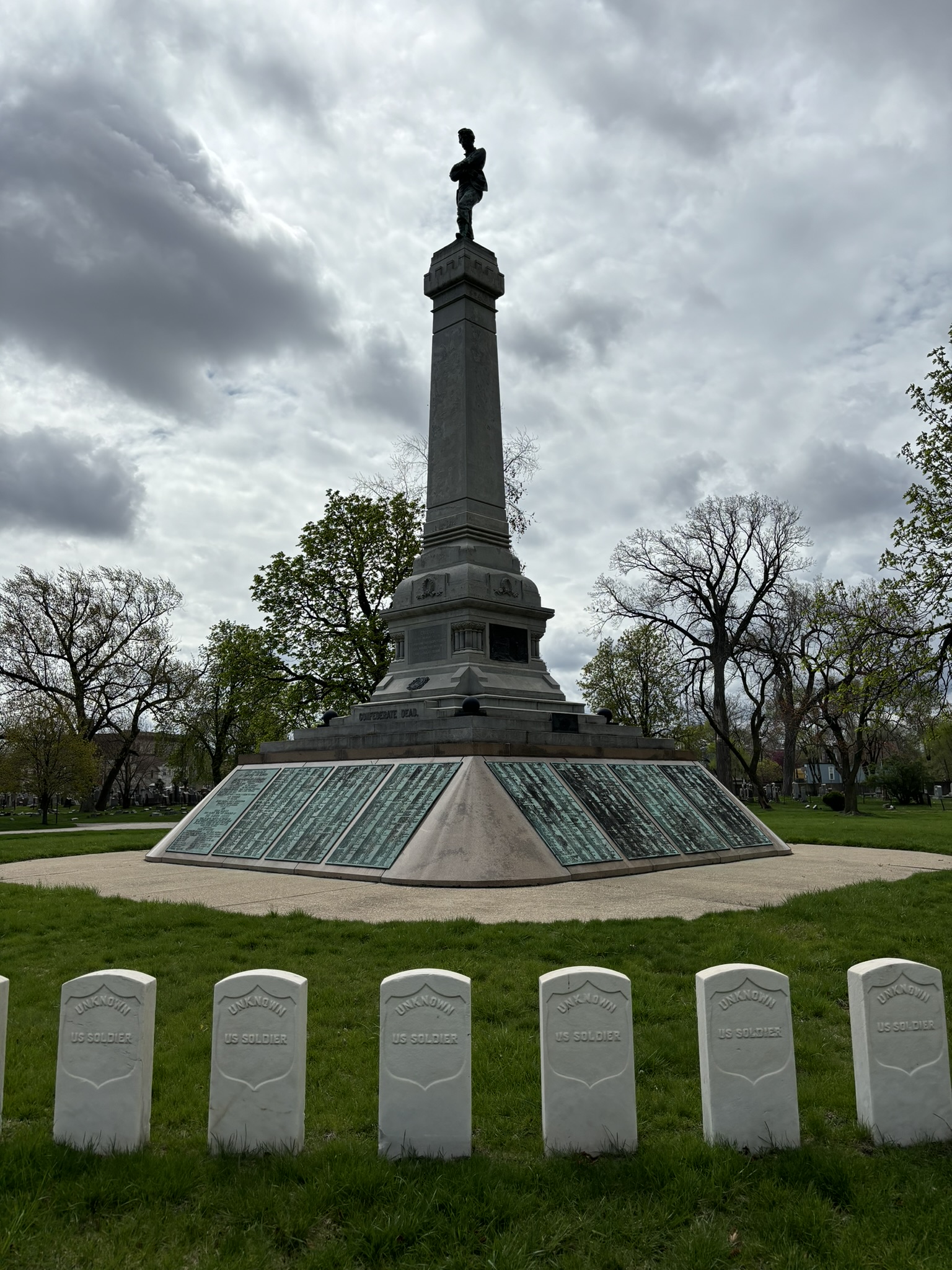 | How the graves of over 4000 Confederate soldiers and a statue dedicated to the Confederacy ended up on the South Side of Chicago. |
Darrow Bridge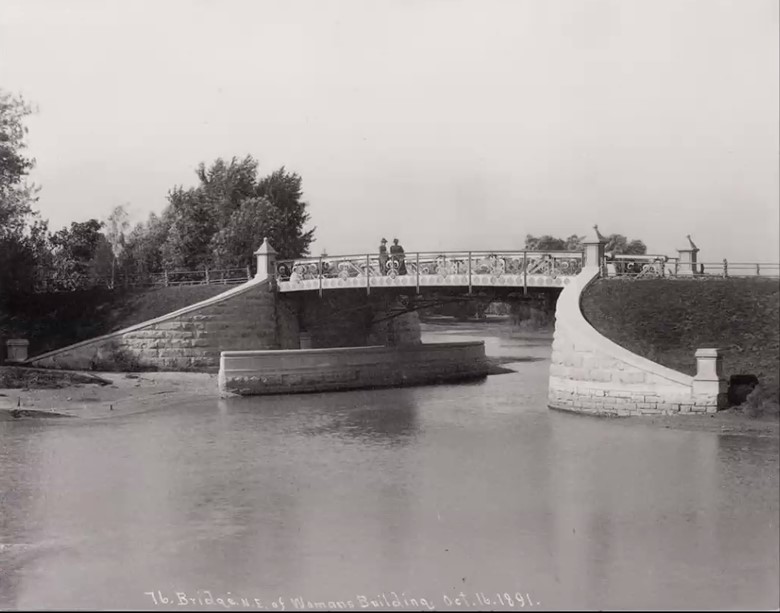 | The oldest structure in Jackson Park is the Burnham & Root designed bridge south of the Museum. It saw the World’s Fair, is an essential element in the park’s design, and became famous for keeping the memory of Hyde Park’s Clarence Darrow alive. |
Congress of Racial Equality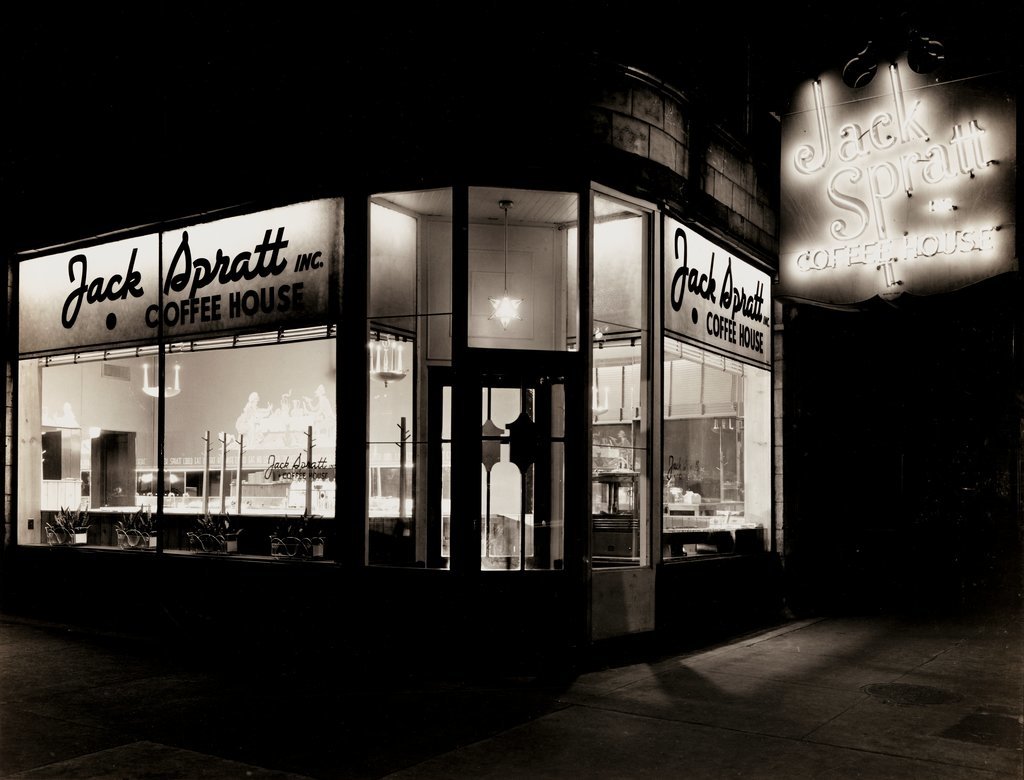 | James Farmer organized one of the first restaurant sit-ins in the country when Hyde Park/Kenwood were still segregated. His strategy tested here moved on to national action. Bernie Sanders started his political life as a leader of CORE. |
Dr. Martin Luther King Jr. | Hyde Park was an early and frequent stop for Dr. King and his campaigns. |
Morgan Shoal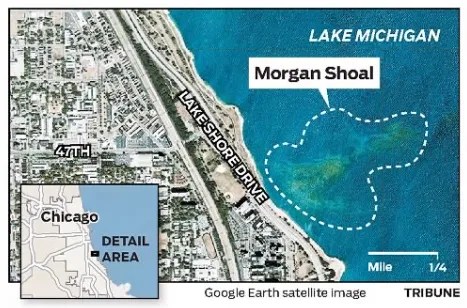 | How the reefs of ancient seas that surround Hyde Park led to shipwrecks and reconfigured the lakeshore as it expanded. |
The Golden Lady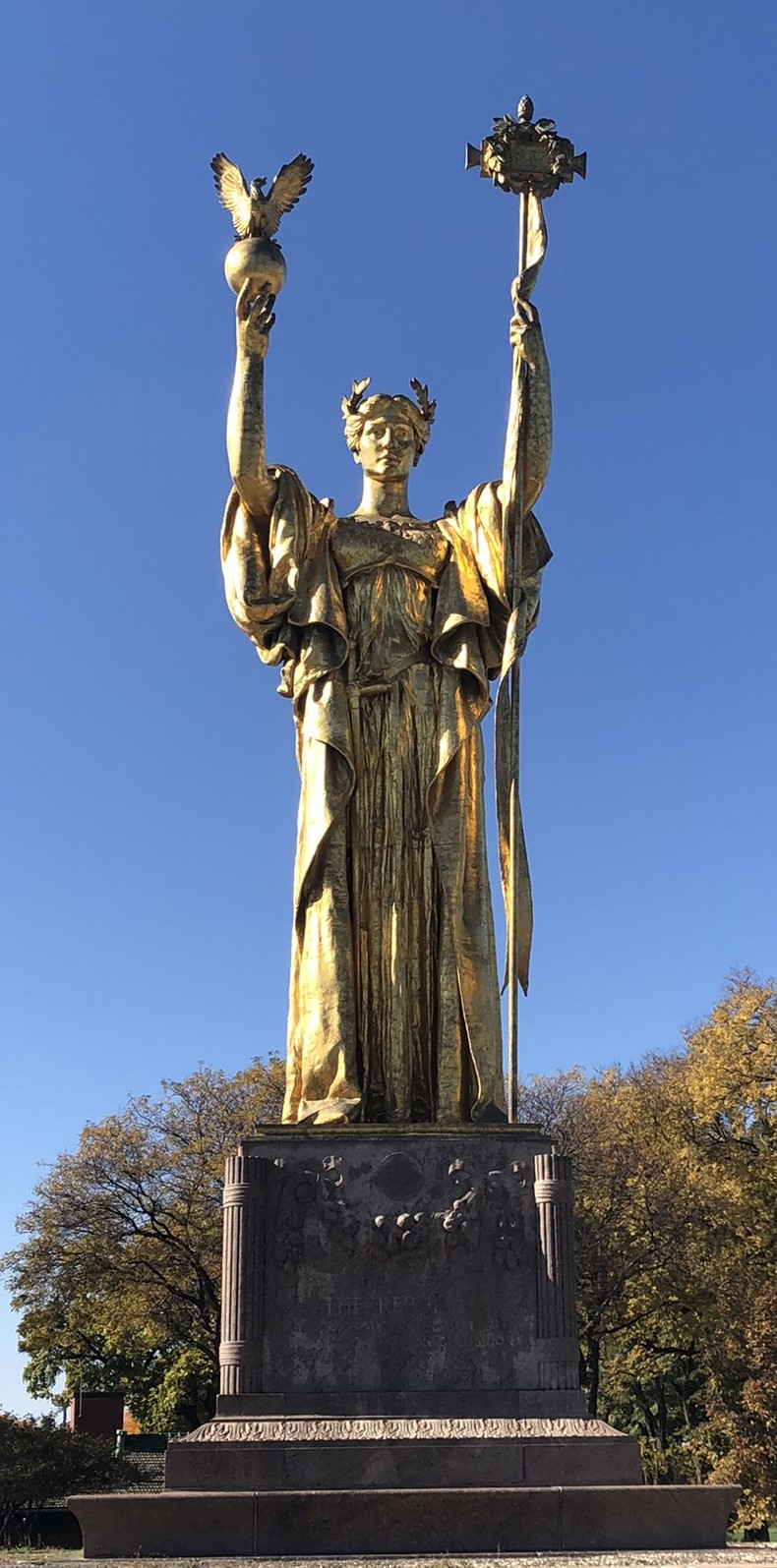 | How Daniel Chester French’s statue became the symbol of the 1893 World’s Columbian Exposition. How it was made and how long it survived. The Golden Lady in the park now is a 1/3 replica of the original. |
Streetcars Part II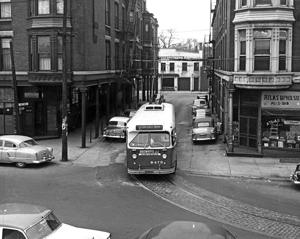 | How streetcars proved their worth during the 1893 World’s Fair, created an entertainment district on Cottage Grove, and met their end. |
Streetcars Part I | How Chicago ended up with the largest cable car system in the world and created Hyde Park’s business district on 55th Street |
Statue of Carl von Linné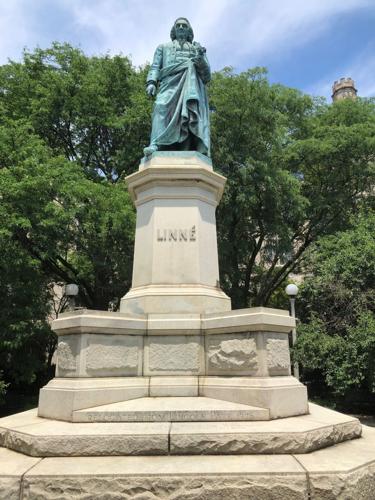 | How a 150-ton statue dedicated to celebrating Swedish-Americans in Chicago moved from the north side of Chicago to the Midway, and a look at the large Swedish-American community in Hyde Park |
The Japanese Garden Part II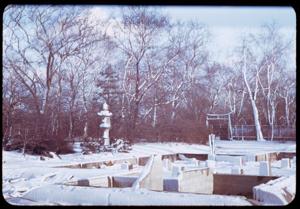 | How dedicated volunteers, including the Japanese-American community that had come to Chicago’s South Side from the internmnet camps, brought the Japanese Garden back to life |
The Japanese Garden Part I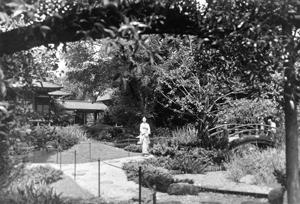 | The story of the Japanese pavilion in 1893, the Japanese stroll garden that commemorated it in the 1930s, and how it almost disappeared during World War II |
The Iowa Building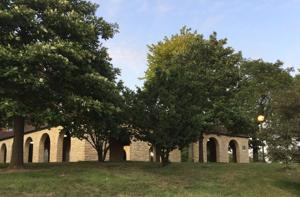 | The story of the Burnham and Root Jackson Park pavilion that hosted thousands before, during, and after the 1893 World’s Fair. And the picnic pavilion that took its name. |
La Rabida Hospital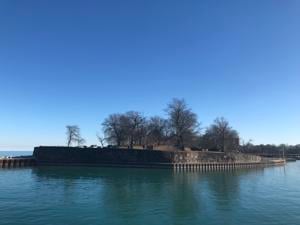 | How a Silurian reef entered into Olmsted’s designs, preserved a relic of the 1893 World’s Fair, and became a children’s hospital where rheumatic fever was conquered |
Winter Sports and the Midway Skating Rink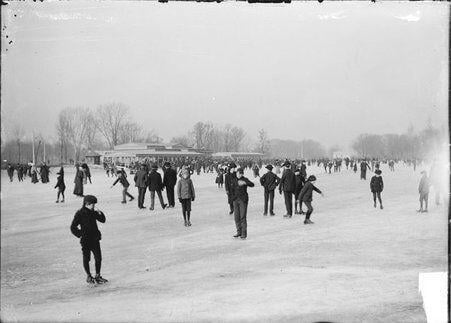 | How the refrigerated skating rink on the Midway is the last gasp of what was once a winter sports mecca in Washington Park, the Midway, and Jackson Park before climate changed |
Stagg Field 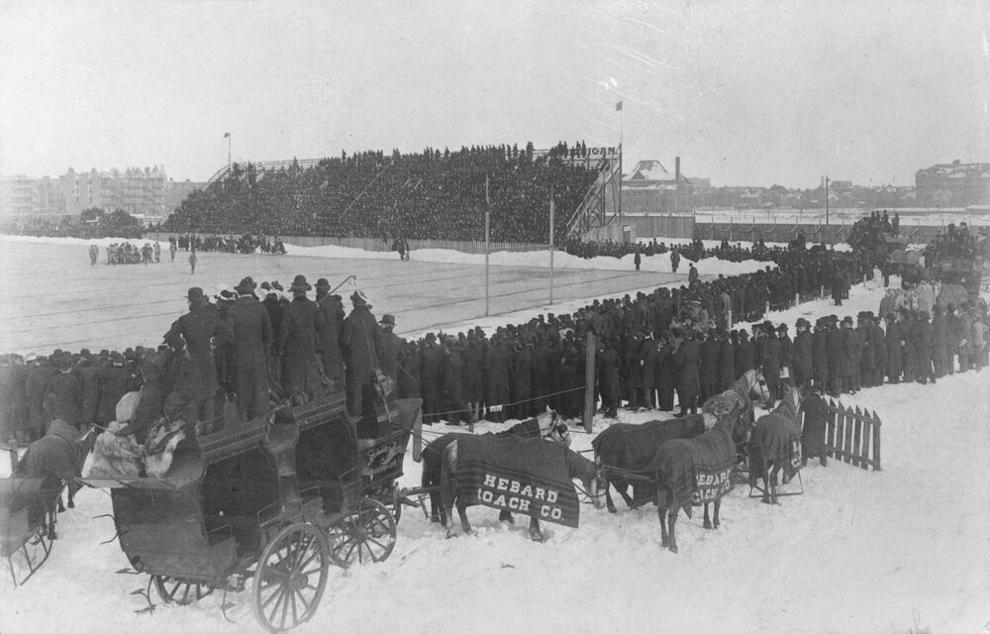 | How the University of Chicago’s first president, William Rainey Harper, developed football so that it would build the school and transform its relationship to the city of Chicago. And then, how it famously faded away |
The Norway Building Plaque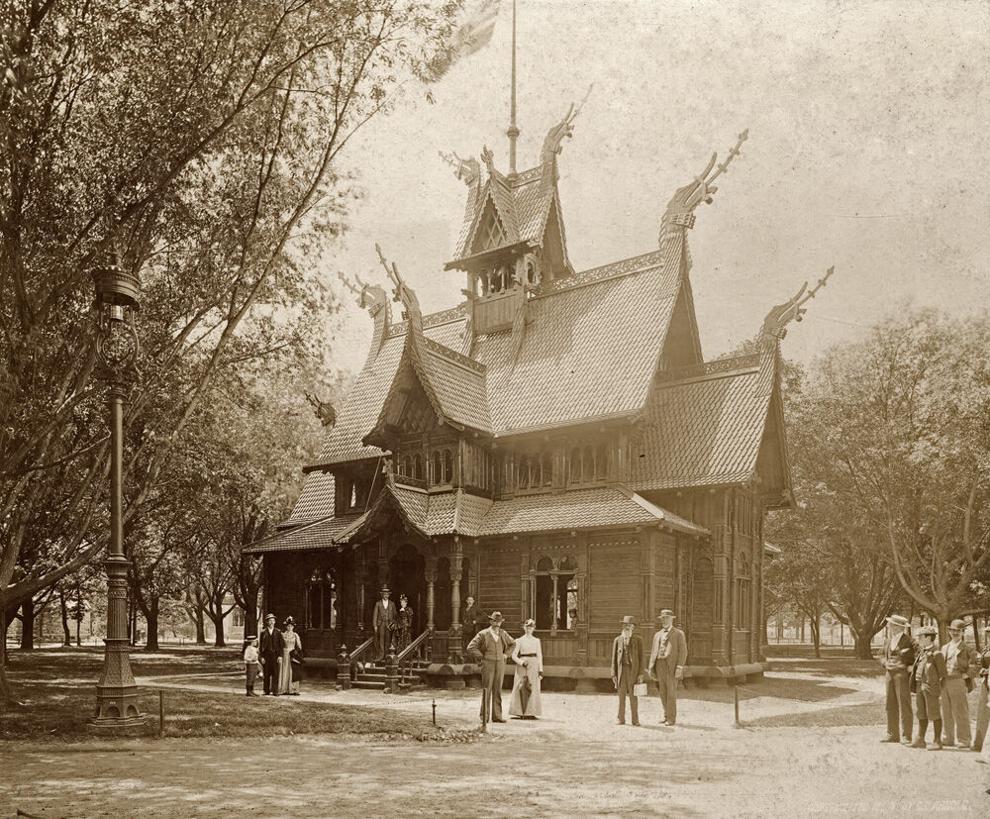 | How Norwegian-Americans celebrated their heritage during the 1893 World’s Fair and tried to preserve their memory |
Spinning Water and Bird of Peace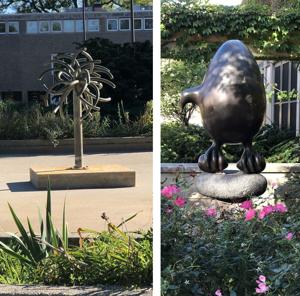 | How urban renewal created neighborhood parks and a group of volunteers dedicated themselves to the Sisyphean task of making the new spaces child friendly through art |
The Midway Plaisance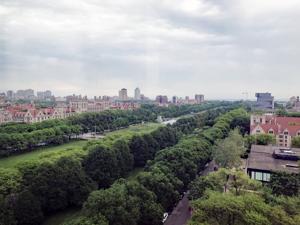 | The story of how Olmsted planned a unified experience for the South Parks as a water pleasure ground, how the Midway gave its name to the amusement section of fairgrounds, and the grand scheme of Lorado Taft |
Statue of Gotthold Ephraim Lessing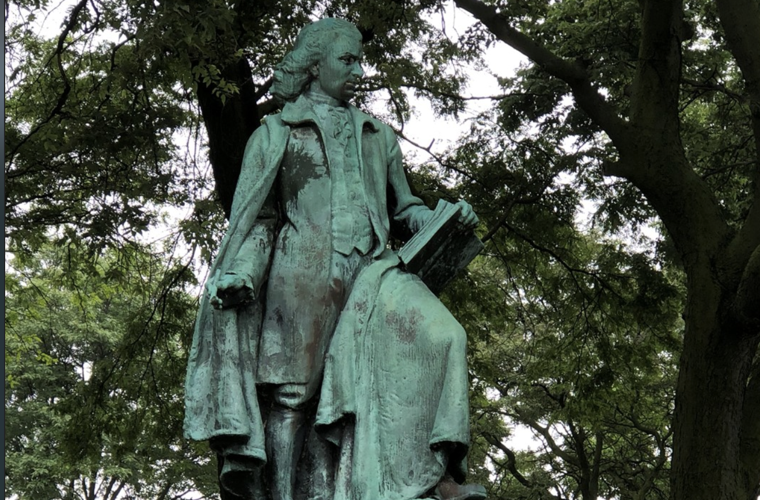 | The story of how Washington Park once had a beautiful conservatory and elaborate rose garden and why it was chosen as the location of Lessing, to serve as a reminder of religious tolerance in the face the KKK activity on the South Side. |
Eleanor Club One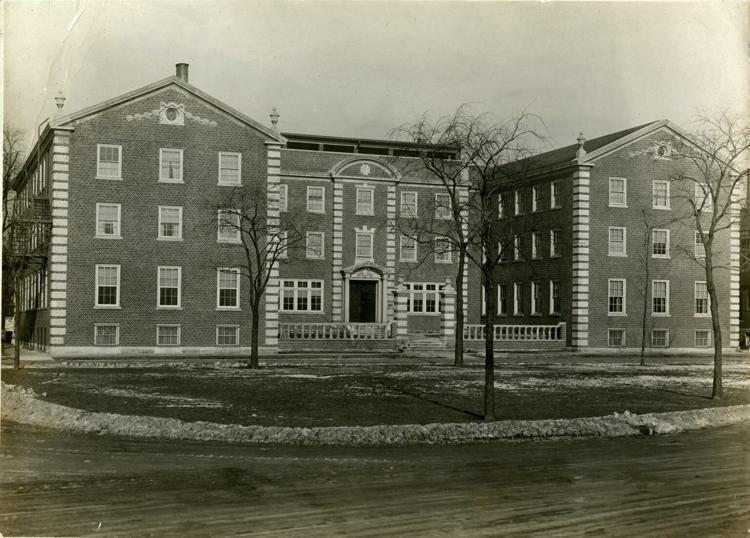 | The story of how one woman–Ina Law Robertson–provided the means for thousands of women to pursue their destinies in Chicago. |
Hitchcock Hall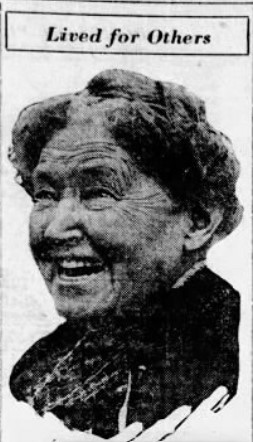 | The remarkable life of Annie Hitchcock, a very early settler of Chicago and Kenwood, who made a difference |
The Armory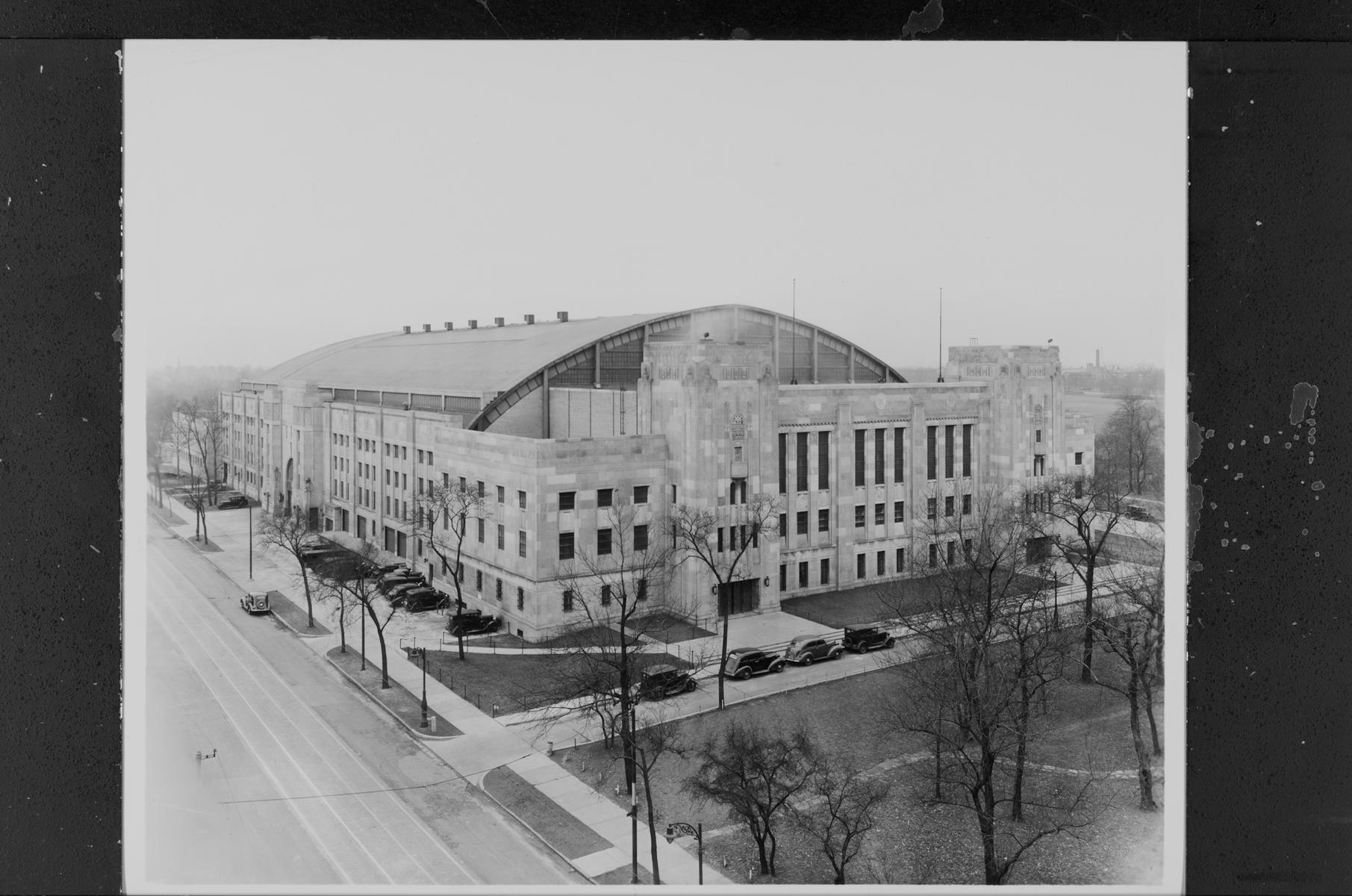 | How the 124th Field Artillery National Guard Armory came to Washington Park and became the biggest sports arena on the South Side in the 1930s. |
The South Park Improvement Association Horse Watering Bowl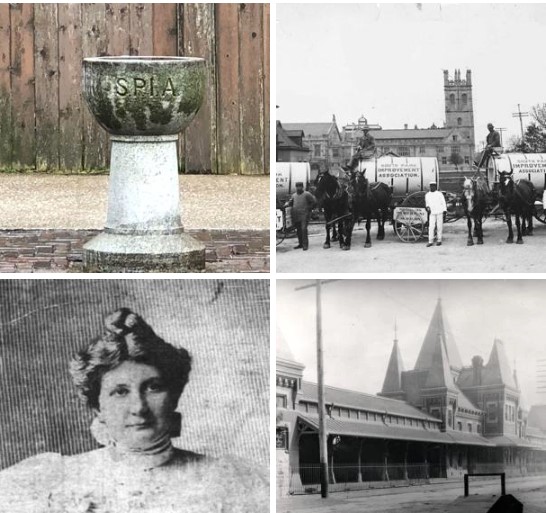 | How the City Beautiful movement came to a part of the neighborhood–cleaning streets, planting trees, and helping to launch the artist’s colony. |
Ulysses S. Grant Tree and Boulder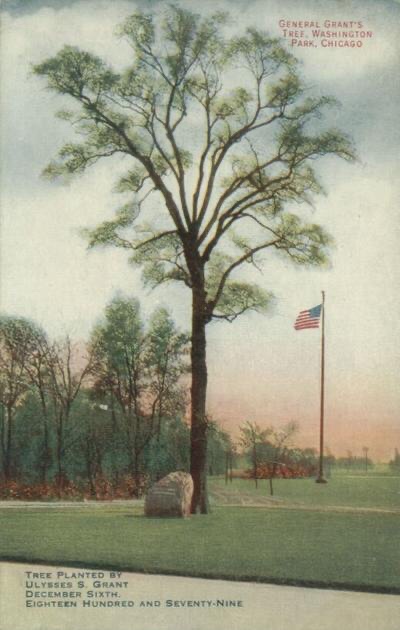 | How Grant happened to plant a tree in Washington Park, the unreliability of memory, and the fleeting life of trees. |
The Frederick Douglass Memorial 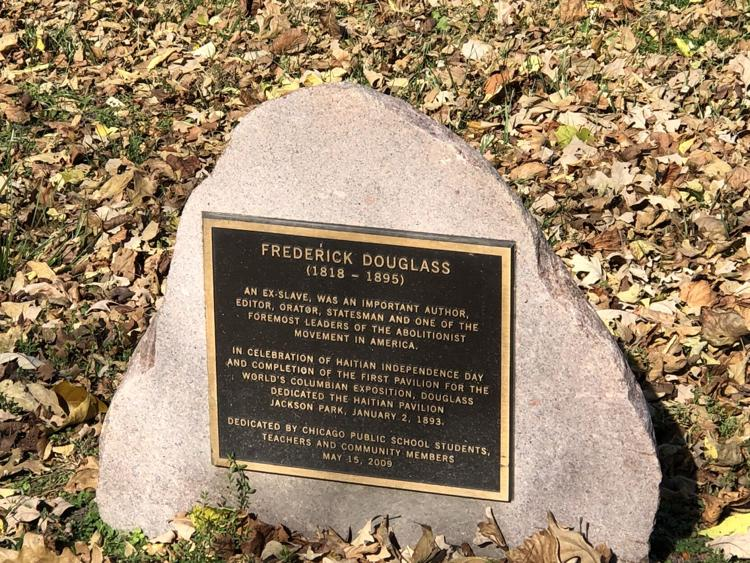 | How Frederick Douglass became the Haitian Commissioner to the 1893 World’s Columbian Exposition and how he spent the summer crusading. |
Harold Washington Park 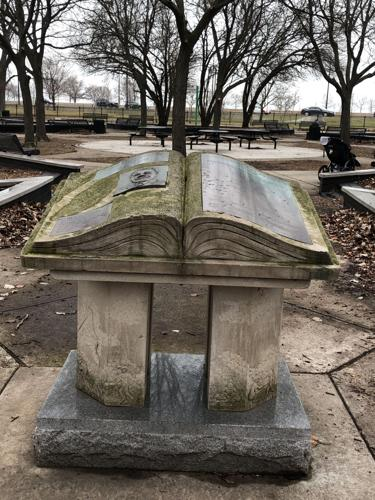 | The story of the land between 53rd to 51st, from the opening of the first Hyde Park Hotel, through its years as East End Park, the model yacht basin, and its renaming for Hyde Park’s very own mayor. |
Tomáš Garrigue Masaryk Monument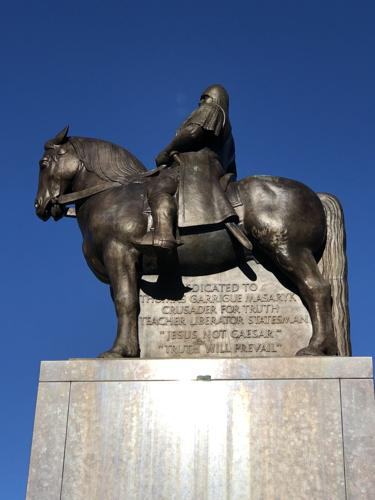 | How a visit to the University of Chicago changed the history of the Czech Republic and connected Hyde Park to the Bohemian community of Chicago. |
Gold Star Memorials 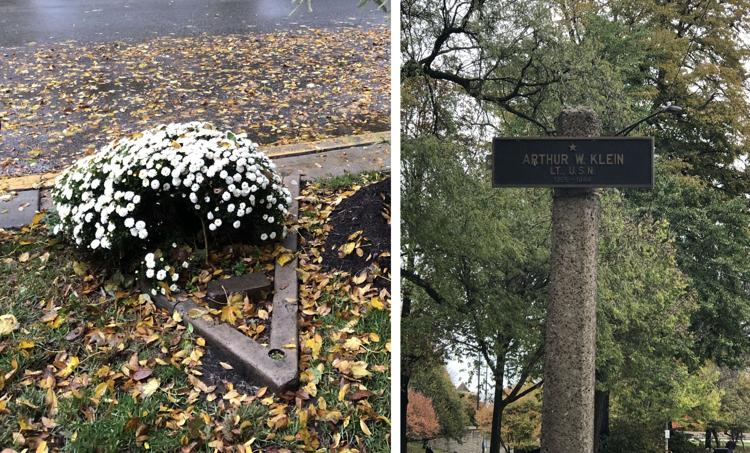 | The personal memorials to sons lost in World War II—and the odd twists that history can take. |
The Cheney-Goode Memorial Bench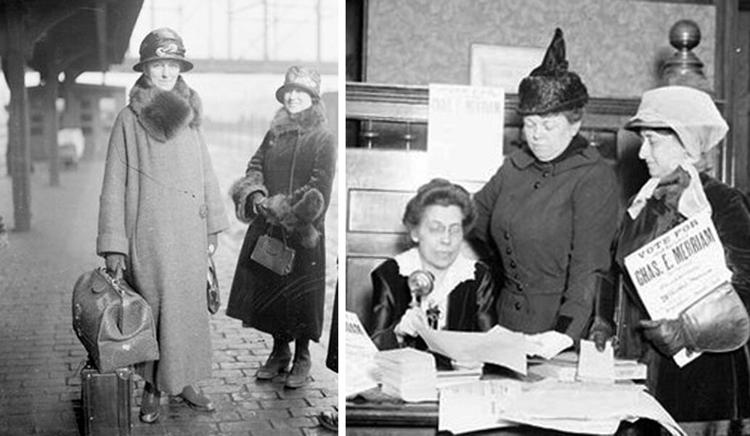 | Two crusading women who fought for women’s rights and clean politics in the early years of the 20th Century |
The David Wallach Fountain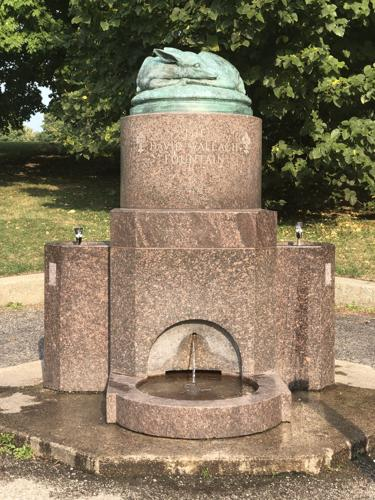 | How an immigrant to Chicago became a philanthropist, inspired by Rabbi Emil G. Hirsch, and tried to give a fountain for man and beast to Chicago. |
 Patricia L. Morse